
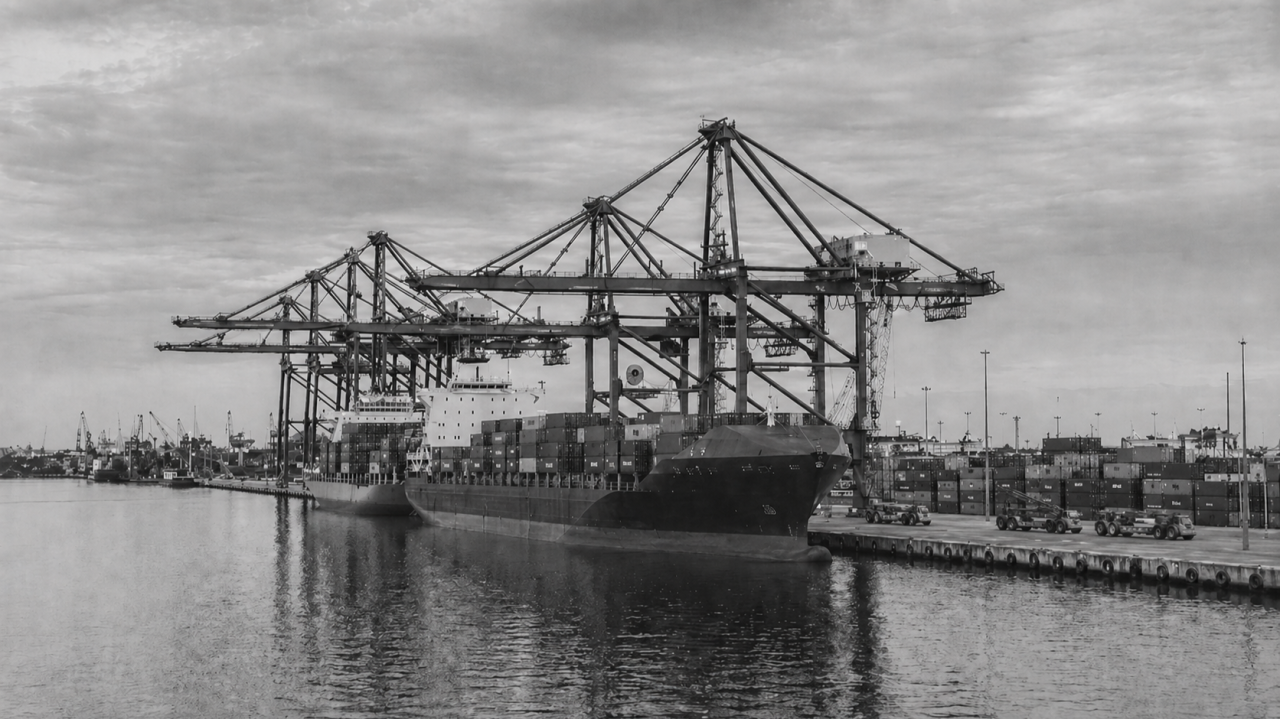
When Hormuz Closes, Container Shipping Becomes a Communications Issue.
The debate around the Strait of Hormuz is usually framed through oil, understandably. It's one of the world’s most sensitive energy corridors, and any disruption immediately sends analysts toward crude prices, LNG flows, inflation, insurance costs and the balance sheets of import-dependent economies. Some states may gain briefly, but most lose, and everyone ultimately faces higher costs and weaker confidence.
But beyond energy, Hormuz functions as a confidence chokepoint for trade. When the Strait becomes unstable, container shipping cannot simply reroute in a clean, frictionless way, ports take time to absorb displaced volumes, carriers weigh every redeployment before committing vessels, shippers won't calmly wait for clarity, and insurers reprice risk fast; every participant in the supply chain starts making defensive decisions in tandem, and that’s when maritime disruption becomes a communications issue.
For the Gulf, this is particularly sensitive; the region has spent decades building itself into a logistics, aviation, ports, manufacturing and re-export powerhouse. Jebel Ali, Khalifa Port, Khorfakkan, Salalah, Dammam, Hamad Port and other Gulf gateways are reputational assets as much as infrastructure assets, they tell the world that the Gulf is open, connected, and commercially central. A Hormuz closure challenges that story and puts it under pressure.
The impact on the container shipping market, for when oil markets react visibly and immediately, impact on container shipping is operational first, then commercial, then reputational. The first signs are vessel delays, anchorage congestion, blank sailings, war risk premiums, and all types of carrier surcharges with three-letter acronyms. Then come higher freight costs, missed delivery windows, inventory shortages, working capital strain and pressure on beneficial cargo owners.
Recent shipping analysis suggests Hormuz disruption affects a smaller share of global container trade than the Red Sea crisis, a low single-digit share versus the Red Sea’s much larger impact on global container flows. That can sound manageable until you look at where the disruption is concentrated; for Gulf economies, the impact is local, direct and deeply connected to import lifelines, transshipment flows and port credibility.
By far the most effective communication approach is disciplined reassurance: stay calm, be factual, provide regular updates to reduce uncertainty, and avoid overpromising. That means communicating what's known, what's being monitored, what contingency options are active, and what customers should expect. In a Hormuz case, stakeholders already believe in the Gulf countries’ resilience, and just need practical confidence.
For container shipping, telling customers ‘everything is normal’ when operations are under duress erodes trust; the stronger message is: the system is under stress, contingencies are active, critical flows are being prioritised, alternative gateways are being assessed, and customers will receive regular operational updates.
Organisations shouldn’t wait until the disruption is fully defined before speaking. By then, the narrative has already been shaped by vessel tracking screenshots, industry speculation, customer complaints, insurance notices and, eventually, media headlines. A port or carrier can communicate responsibly before every answer is available, provided it shows control of the process.
That control is also built before a crisis; the diversified logistics and industrial networks developed over the past decades by major players like DP World, AD Ports Group and Gulftainer, have strengthened the ability to respond quickly when disruption emerges. In that context, communication becomes an extension of operational readiness: explaining redundancies, what's active, who's coordinating, and how continuity is being protected.
Four communications priorities in a Hormuz container shipping crisis
- Separate energy language from trade language: A Hormuz crisis may begin as an oil story, but shippers care about cargo movement, delivery windows, customs, storage, demurrage, alternative routing and cost exposure; communication teams must speak to those realities directly.
- Surface what sits beyond the obvious: Supply chains are complex, and most stakeholders don’t understand what happens between vessel diversion, port congestion, feeder services, inland rail/trucking and final delivery; companies should explain the operational chain plainly, without jargon.
- Avoid false equivalence between ‘open’ and ‘functional’: A maritime corridor can technically be open while commercially unattractive or operationally constrained; for container shipping, the sharper question is whether a route is passable, insurable, schedulable and commercially rational.
- Protect the reputation of the Gulf logistics model: The GCC has positioned itself as a global connector; a Hormuz disruption puts that promise under pressure, but it also creates an opportunity to demonstrate maturity. The strongest logistics hubs prove themselves through clear communication, visible coordination and credible recovery.
A good example of successful communication already seen in March and April is the timely and clear coordination messaging around the UAE’s port network, showing how the country’s eastern seaboard gateways, Khorfakkan and Fujairah, are working alongside Upper Gulf hubs, Jebel Ali and Khalifa Port, to support continuity when regional shipping routes come under pressure. It also links the message to wider regional connectivity initiatives like the UAE-Saudi Arabia bridge and the UAE-Oman Green Corridor, reinforcing one clear idea across ports, inland corridors and cross-border trade routes: readiness.
So here's a takeaway: in modern maritime trade, infrastructure and reputation operate together; ports need cranes, berths, customs systems and hinterland links, but in a crisis, they also need trusted spokespersons, live customer communications, scenario-based messaging, regulator alignment, media discipline and a clear hierarchy of information.
Container shipping is built on schedules, communication is built on trust, and when schedules break, trust becomes the asset that keeps customers from assuming the worst. That’s why communications teams in ports, shipping lines and logistics companies should be sitting alongside, translating operational reality into stakeholder confidence in real time.
Because once cargo owners begin redesigning routes and insurers reprice risk, customers consider alternative supply chains, and investors start questioning corridor dependency, the reputational cost will outlast the actual event.
Hormuz reminds us that chokepoints are geographic and psychological; an unstable Strait blocks ships and confidence alike, and in container shipping, confidence is cargo.
Sources
UNCTAD, Strait of Hormuz disruptions: Implications for global trade and development https://unctad.org/publication/strait-hormuz-disruptions-implications-global-trade-and-development
Arabian Business, AD Ports deploys air, land and sea network to keep Gulf supply chains moving https://www.arabianbusiness.com/business/transport/ad-ports-deploys-air-land-and-sea-network-to-keep-gulf-supply-chains-moving
Khaleej Times, New Sharjah-Saudi Arabia trade bridge announced for faster cargo flow https://www.khaleejtimes.com/world/gulf/saudi-ports-gulftainer-launch-sharjah-dammam-trade-bridge
Gulfnews, Dubai issues new customs rules to route cargo via Oman amid logistics disruptions https://gulfnews.com/business/markets/dubai-issues-new-customs-rules-to-route-cargo-via-oman-amid-logistics-disruptions-1.500496900